Osaka: Doing Things Its Own Way
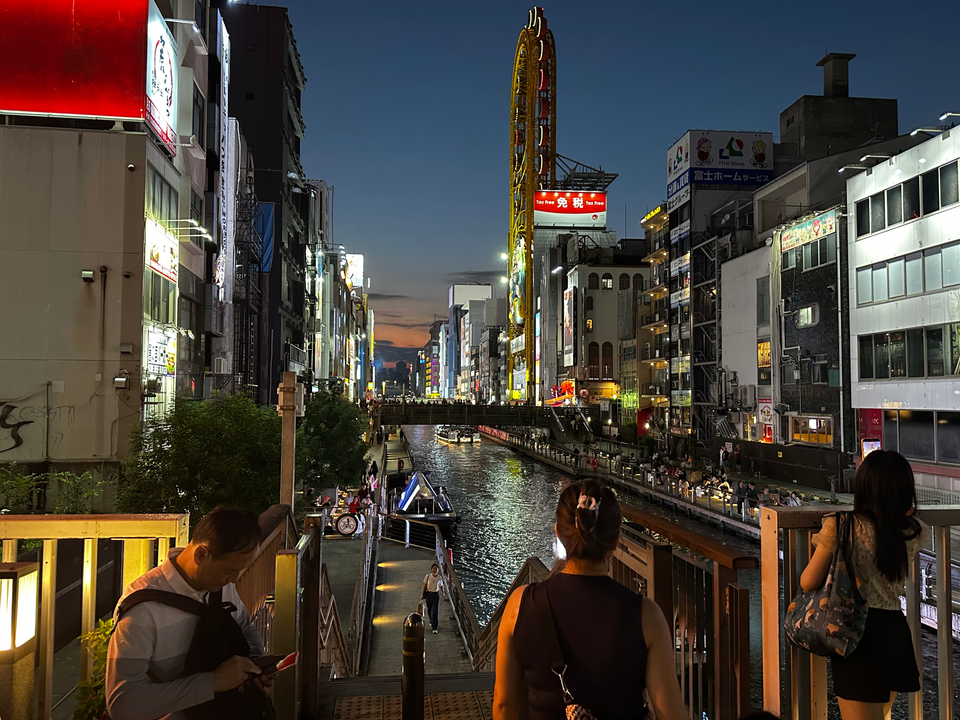
We arrived in Dotonbori, and Osaka felt different almost immediately.
If Tokyo is Sydney, Osaka feels a bit more like Melbourne. A little less polished, a little more rebellious, and we were here for it.
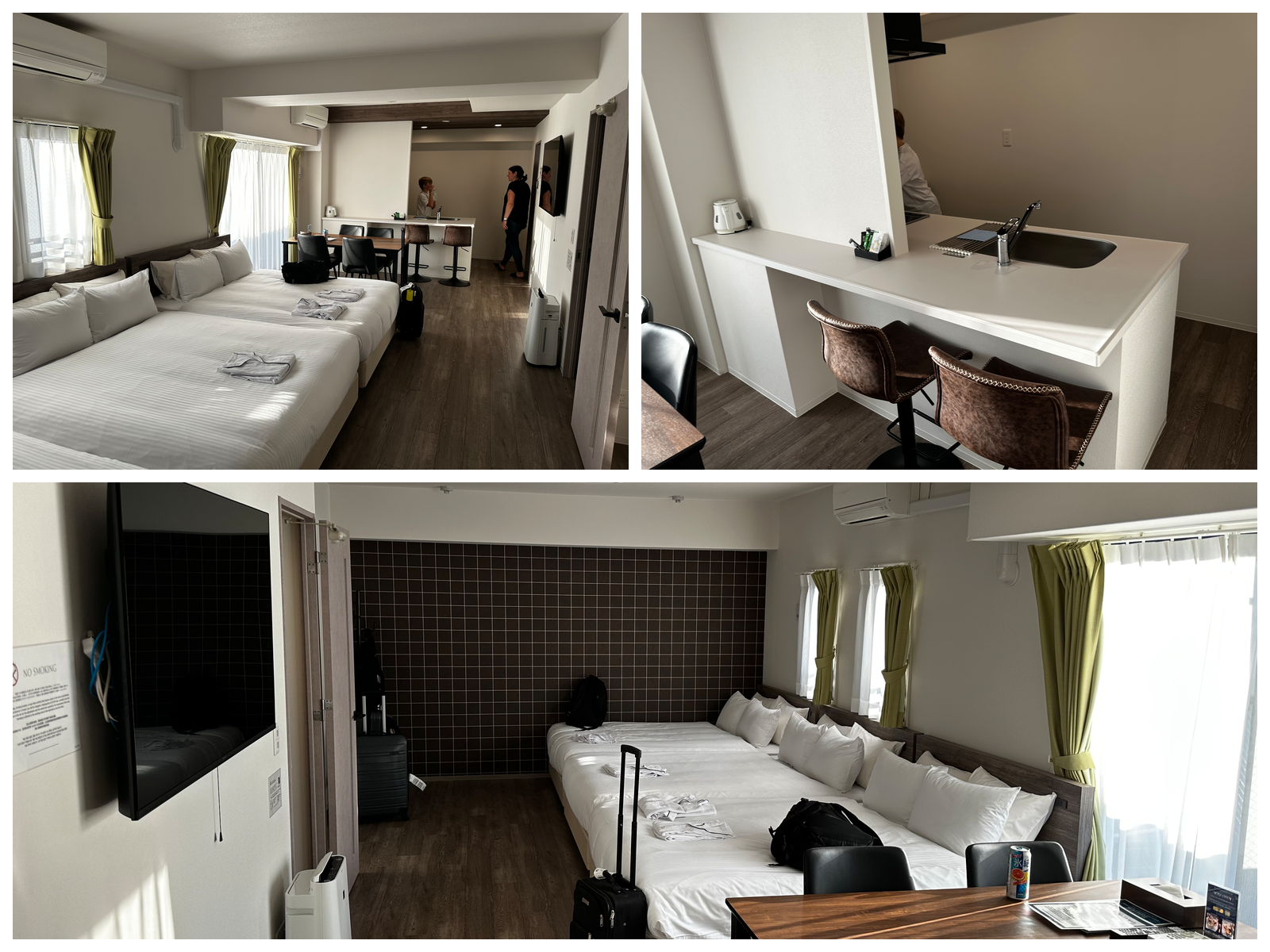
For starters, we’d spent the last few days learning that the etiquette was to walk and ride escalators on the left.
Now, we were on the right.
The whole city seems to move a little slower. People aren’t walking around with the same laser-beam focus we’d become used to in Tokyo. Conversations happen in the street, people stand around outside shops, and you notice far fewer people once you venture away from the main Dotonbori shopping district.
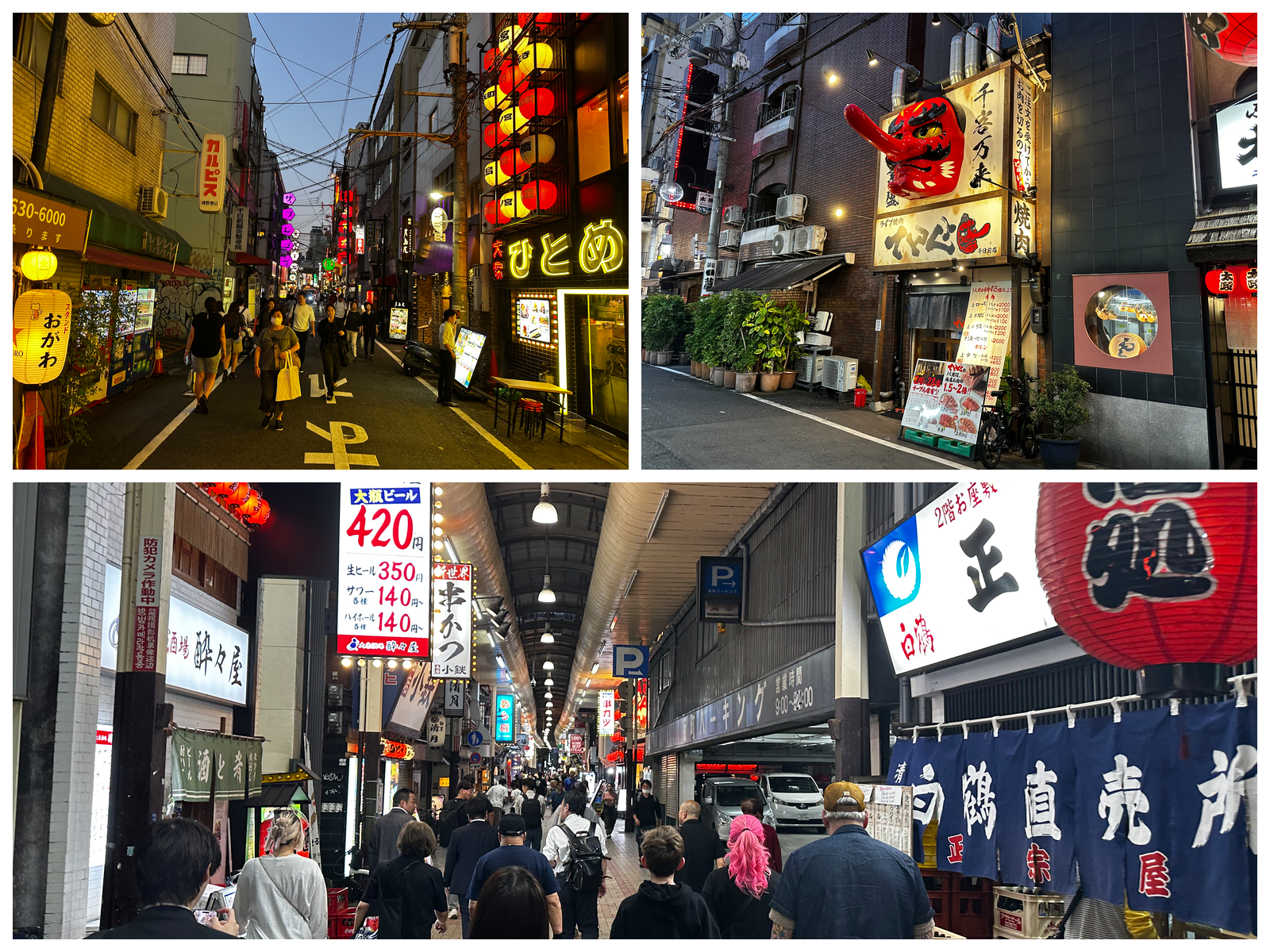
Even the power lines seem a little less organised.
More little mum-and-pop shops are tucked away in the side streets too. Venture a few streets away from the main tourist traps, and you start finding tiny restaurants and shops that feel like they’ve probably been there forever.
Everything feels a bit more street-level. Shopfronts open onto the footpath, smoke drifts out of little restaurants and food carts, and there’s generally more happening right in front of you.
In Tokyo, we’d become used to discovering places several floors above us or buried somewhere underground.
Osaka puts itself right in front of you.
During the day, Dotonbori feels a bit like one enormous street market. Shops sell homewares, kitchen appliances, Japanese knives and just about anything else you can squeeze into a storefront.
At night, the whole place cranks up the volume.
The claw machine arcades are pumping, every shopfront seems to light up at once, and there’s enough neon to make Dotonbori visible from space.
Giant crabs hang from buildings, enormous characters stick out over the street, and illuminated signs compete for whatever bit of your attention is still available.
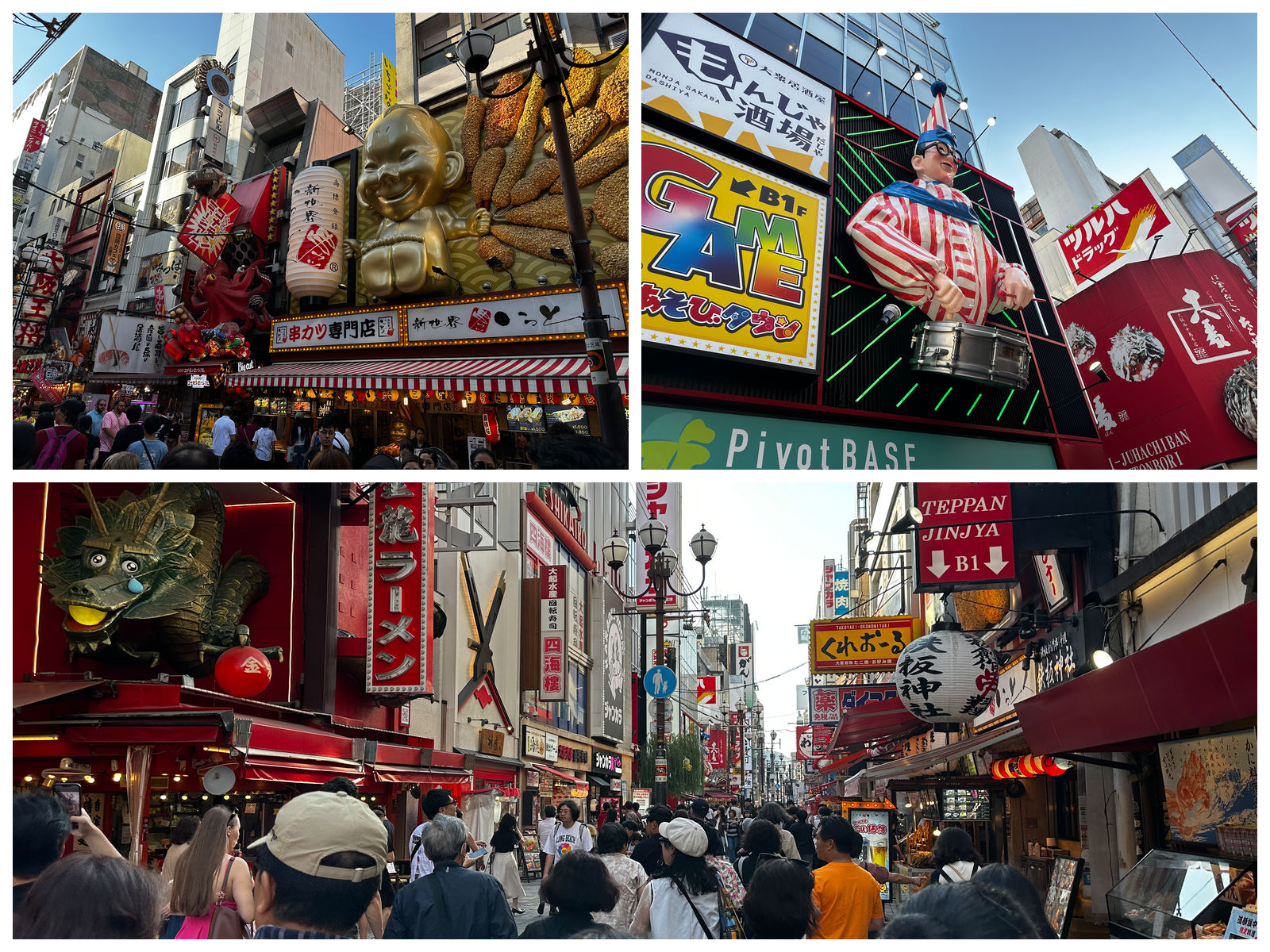
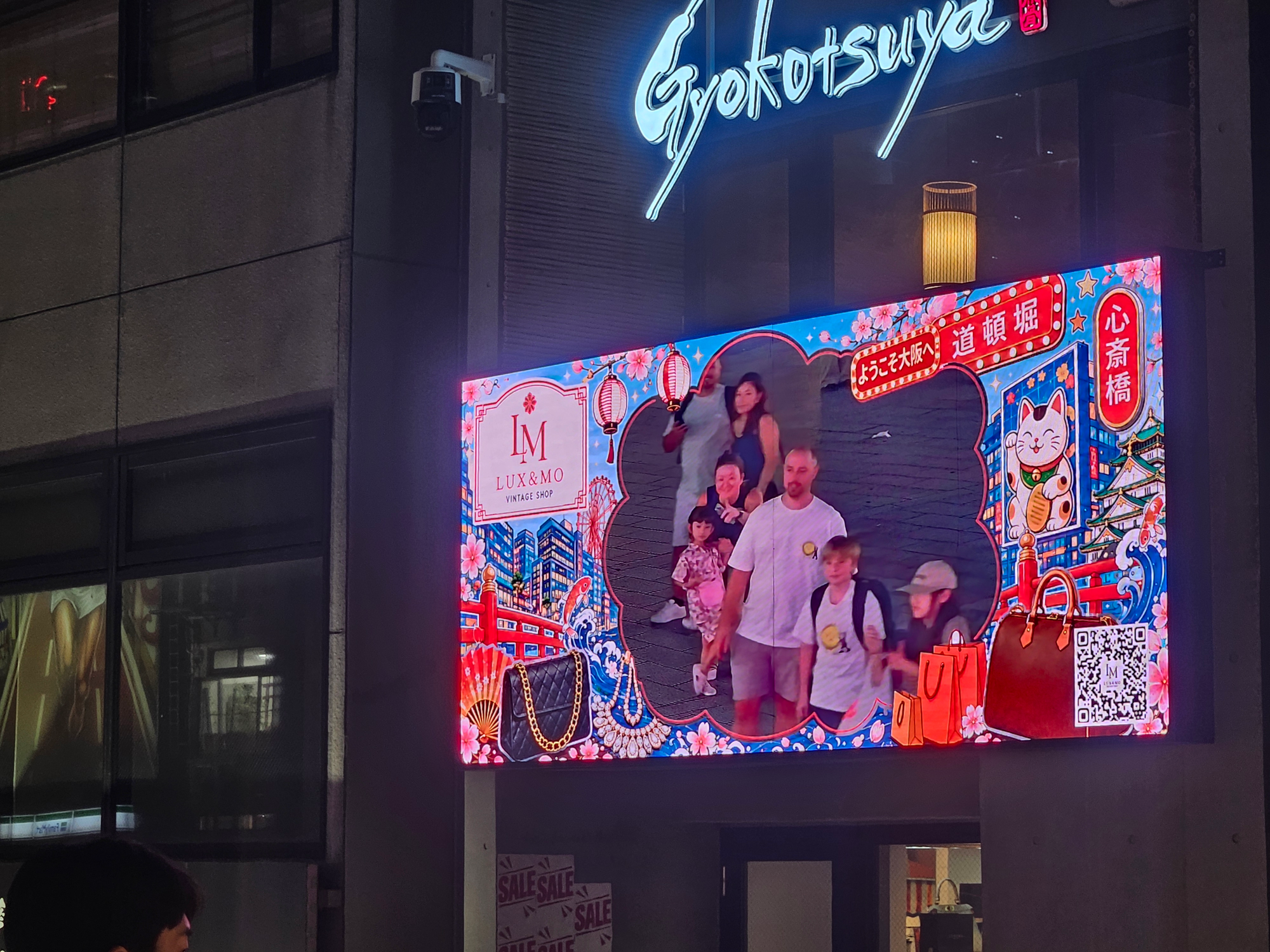
Some even have cameras pointed somewhere into the crowd, so every now and then you look up and find yourself several storeys high on a screen.
Famous at last.
Outside, many restaurants have incredibly detailed plastic replicas of whatever they serve. They’re so convincing that I’ve been fooled by them more than once.
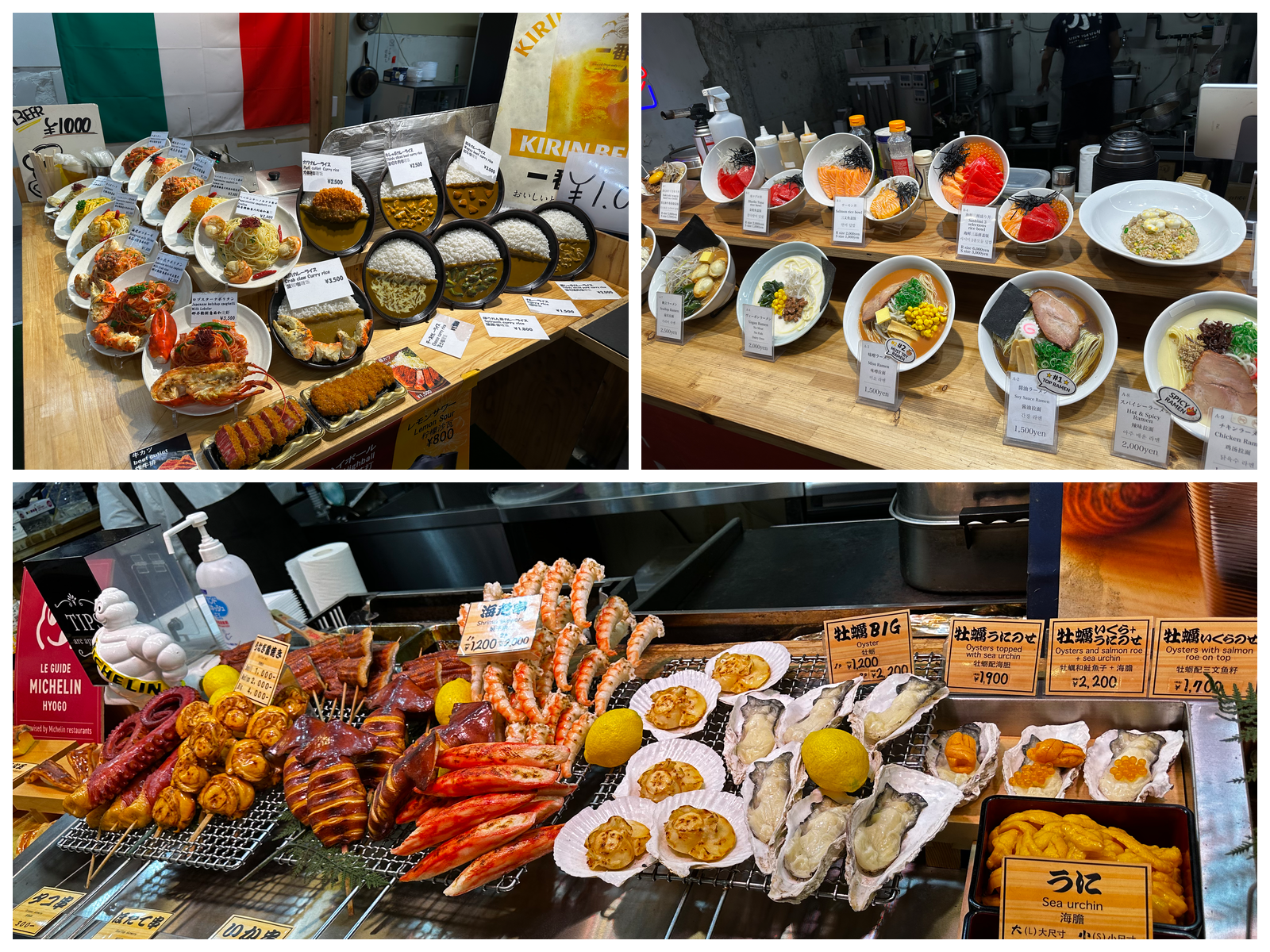
You point at something sitting in the display, expecting the person behind the counter to grab it, only for them to disappear somewhere out the back and return with the real version.
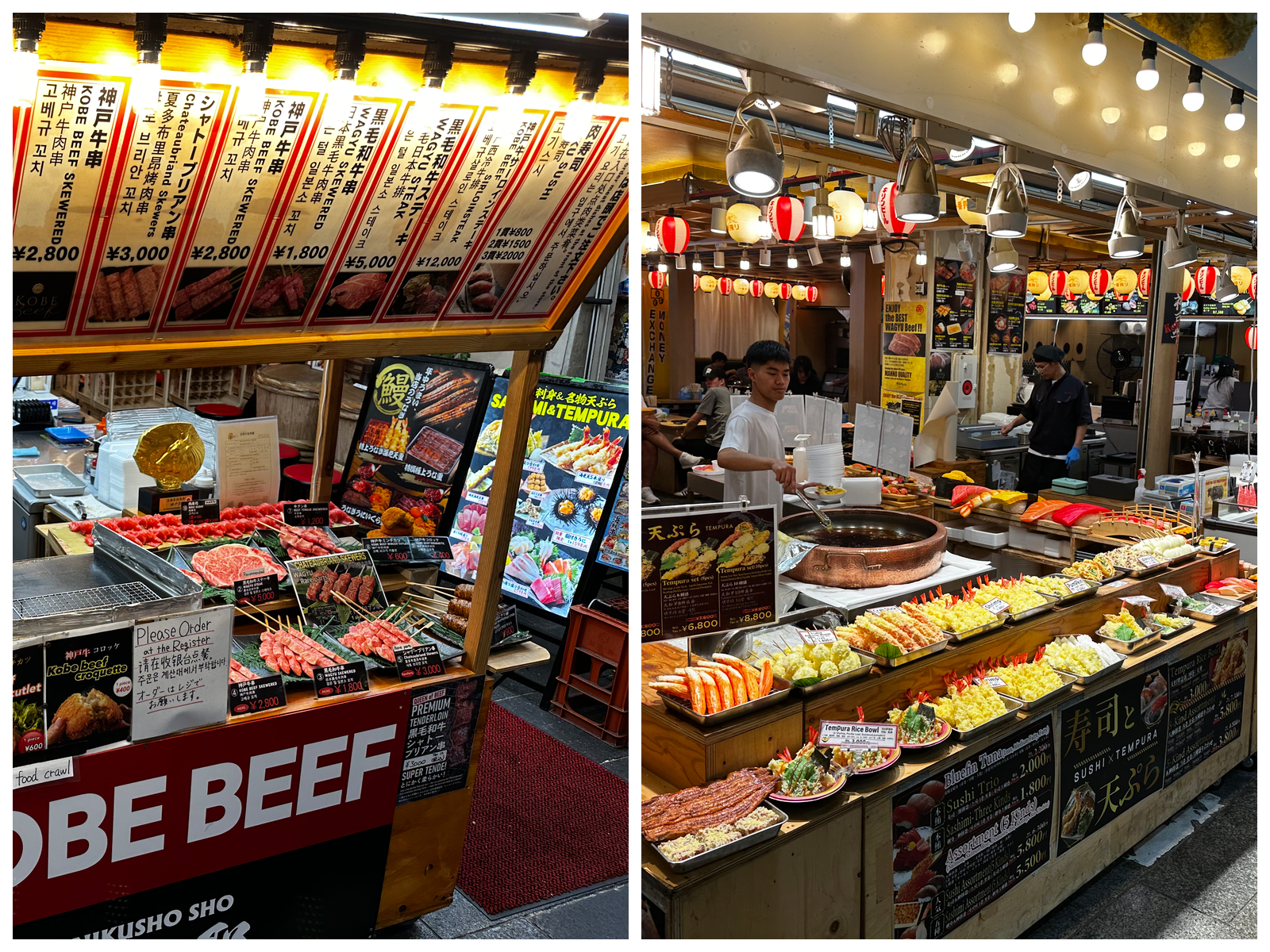
Apparently, the delicious-looking thing I’d just selected was plastic the entire time.
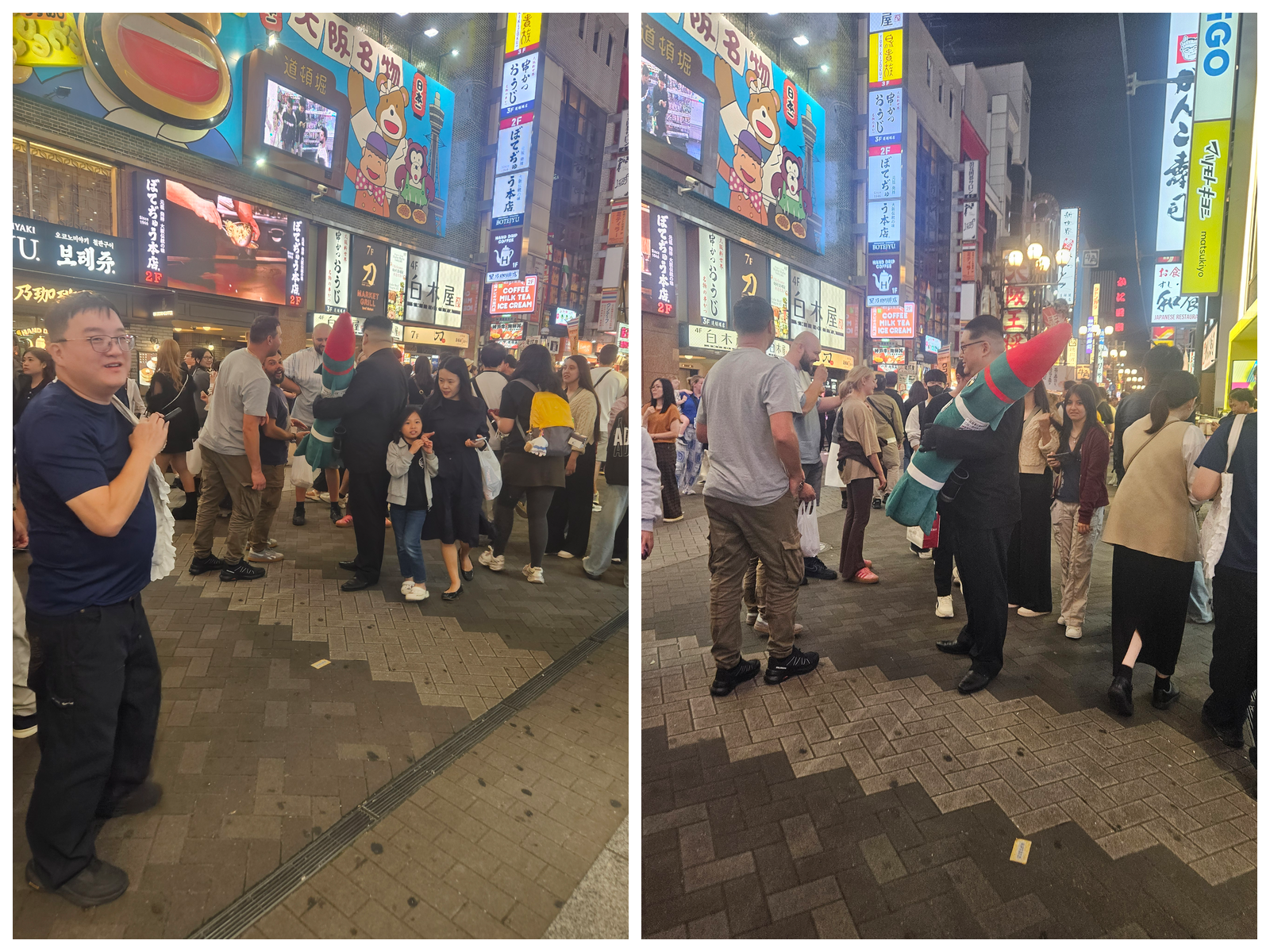
One night, we ran into Kim Jong Un.
Or at least someone fully committed to being Kim Jong Un.
Haircut, suit, the lot. He walked through Dotonbori among thousands of people, completely by himself, carrying a stuffed nuclear warhead.
No entourage, no explanation.
Just Kim and his nuke enjoying a night out in Osaka.
As you might expect, we ate pretty well.
Our first meal had already set the bar ridiculously high. We’d stopped at a hotpot restaurant along the Dotonbori canal mostly because we wanted somewhere to sit down with a cold beer.
We weren’t particularly hungry after eating bentos on the Shinkansen, but almost immediately after sitting down, sauces started appearing on the table, and we felt slightly obliged to order something.
So we picked the smallest thing we could find.
Fried chicken.
And god damn it, it was the best god damned fried chicken we had ever eaten.
The outside was fried and crispy without being overly battered, but underneath was this thin layer of some sort of herb butter, followed by ridiculously moist chicken.
Combine that with the chilli sauce, and we were in heaven.
We had almost forgotten we were thirsty.
Over the next few days we tried all kinds of things, often because they were being cooked directly in front of us and we lacked the self-control to keep walking.
Takoyaki was an obvious one (Dotonbori is known for it). Little balls of batter and octopus cooked right in front of us at a street cart, covered in sauce and absolutely delicious.
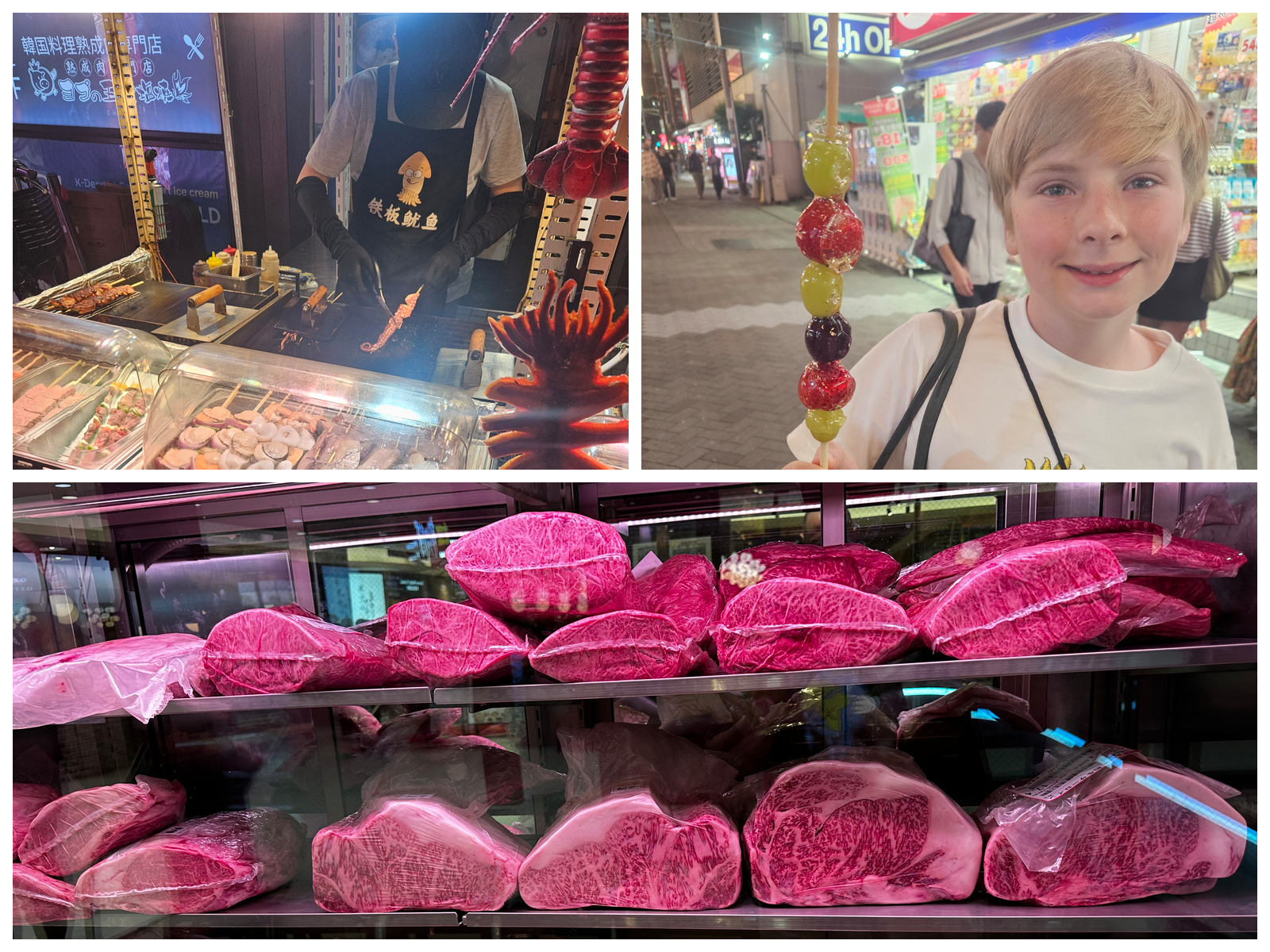
From the same cart, Erin and Charlie took things a step further with char-grilled octopus tentacles on a stick.
Some of the best finds, though, come from the places you could quite easily walk straight past.
About a hundred meters from our hotel was a tiny restaurant with a closed sign out front, though there were clearly people eating inside.
So we went in anyway.
Good decision.
We ordered a bunch of different dumplings and watched them hand-roll every one to order.
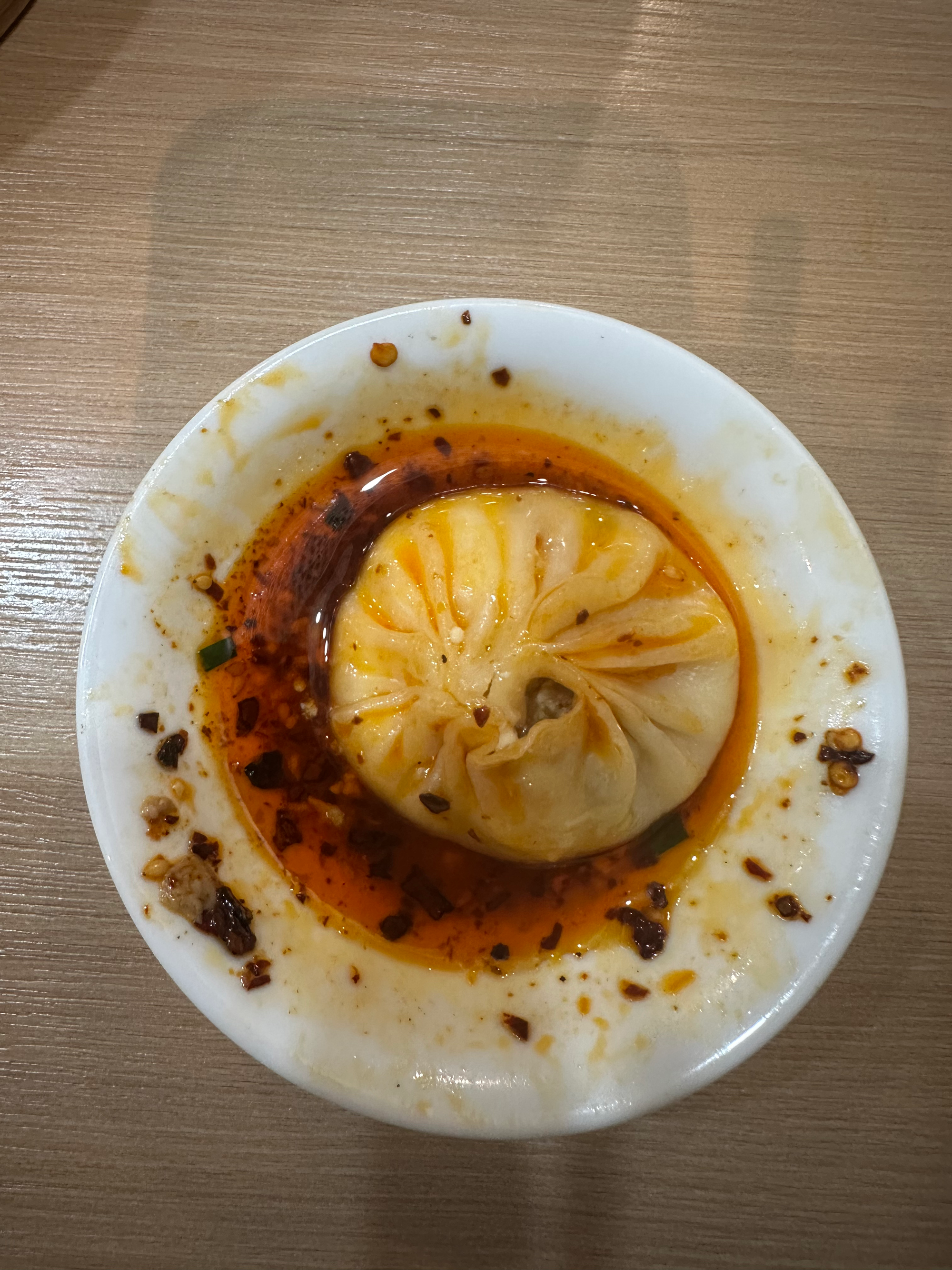
I think I like these little places away from the main tourist strip most about Osaka. You can walk a couple of streets away from the lights and crowds of Dotonbori and suddenly find yourself somewhere completely different.
On day two, we paused our eating tour and headed to Universal Studios.
We only spent about half a day there, and it was a great experience, but some of the queues were ridiculous. Wait times for a few rides were pushing 80 minutes, and none of us really wanted to spend a large chunk of our day in Osaka standing in a line.
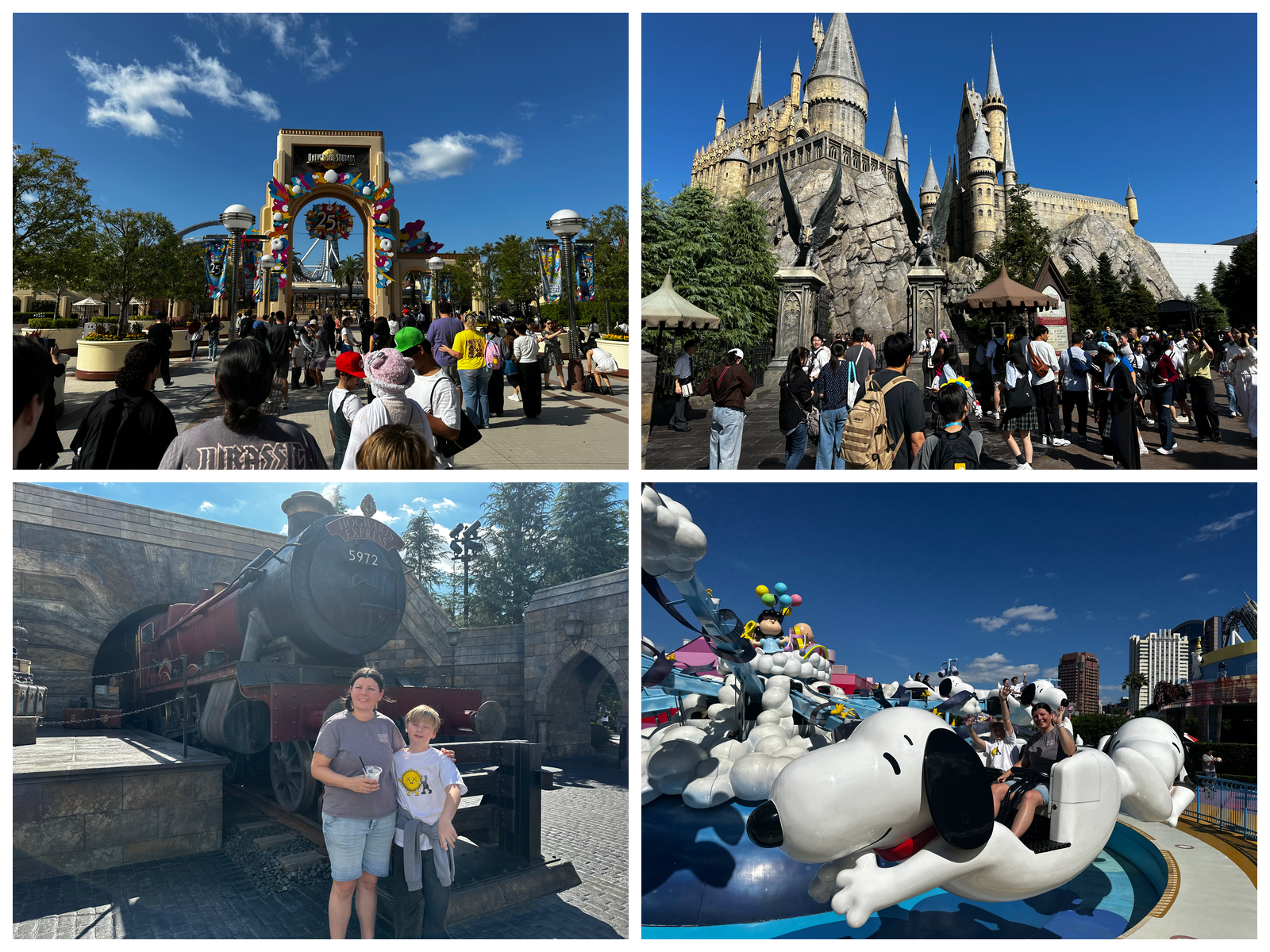
I think we all agreed that, given the choice, we’d rather be back wandering around town.
We still managed to get on a few rides, and the standout was easily the Harry Potter castle ride.
We all went on it twice.
Charlie went three times. So I think it’s safe to say he approved.
We also tried Butterbeer in Diagon Alley, which I fully expected to be one of those things you buy because you’re there, take a photo of, and then quietly regret.
It was surprisingly delicious.
Then there was the Jurassic Park ride. You spend most of it cruising around, looking at dinosaurs, before things take a fairly dramatic turn and you plunge into the water.
Oli came off considerably wetter than the rest of us.
We also tried another Universal Studios classic, the giant turkey leg.
Apparently they sell these things at Universal Studios all over the world, so I suppose that technically makes them universally good.
And to be fair, it was pretty decent.
You just have to battle your way through about seventeen different bones to eat it. By the end, I felt like I’d completed a small-scale archaeological dig.
Early afternoon, we’d had our fill of Universal and were happy to head back into town. We skipped plenty of rides, but with some queues nearing an hour and a half, Osaka itself was starting to look like the better attraction.
Back in town, normal programming resumed.
It wouldn’t be a proper trip to Japan without a little tech retail therapy, and then I found Yodobashi.
I can only describe it as JB Hi-Fi if JB Hi-Fi was the size of Costco, seven storeys high.
I had ascended into tech heaven.
Every floor seemed to hold another category of thing I suddenly desperately needed. Cameras, computers, headphones, gaming gear, appliances and entire sections dedicated to things I didn’t know existed five minutes earlier.
There was no chance I was walking out empty-handed.
Which is why I’m currently writing this post on what is effectively a 160-inch screen attached to my face.
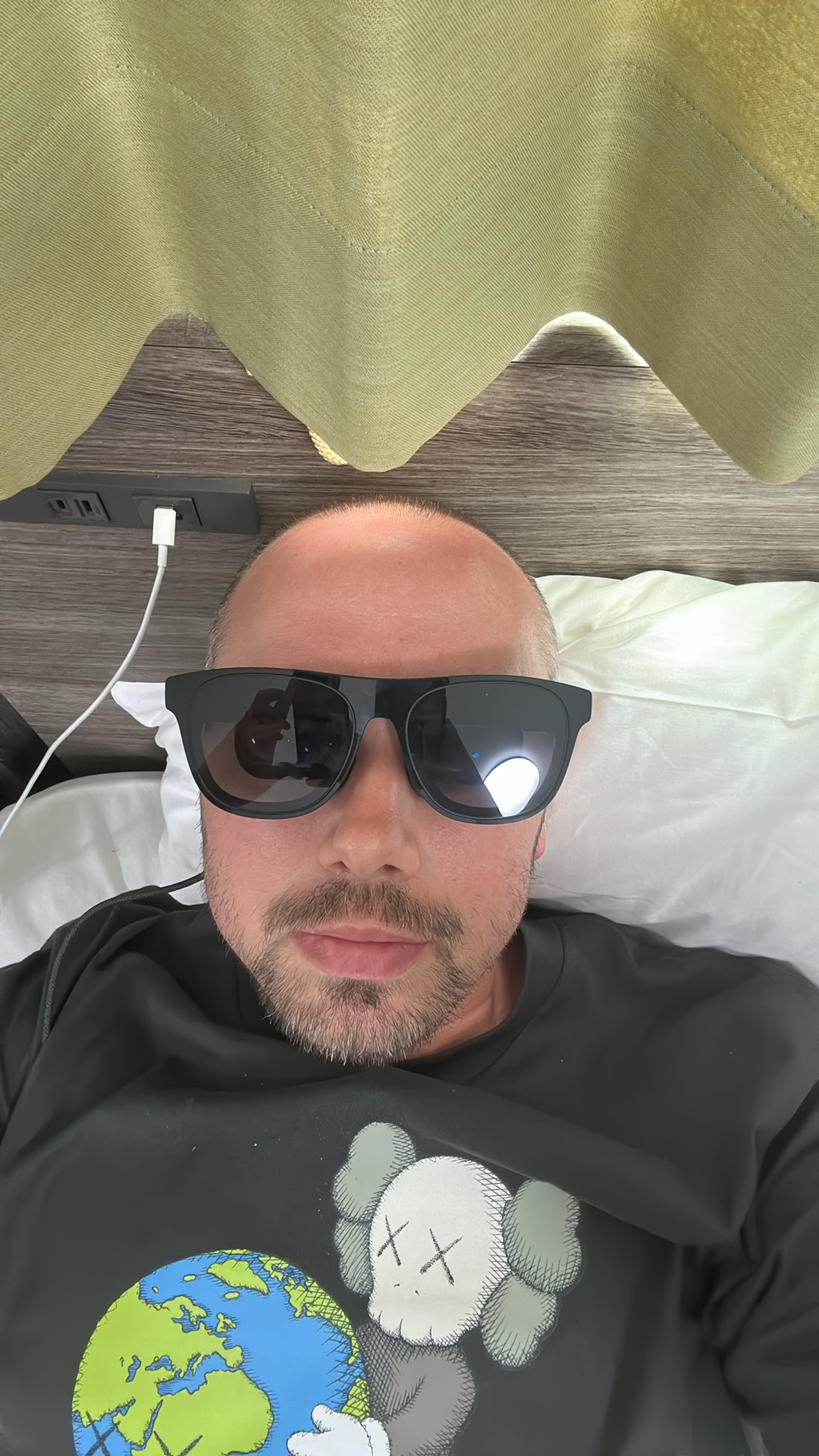
I bought a pair of XREAL display glasses for about $400 less than I could get them back in Australia.
Yodobashi wasn’t the only place in Osaka successfully separating us from our money.
There were the claw machines.
Our first night was a complete failure. We fed money into machine after machine and walked away with absolutely nothing. By the end of it I was accusing the machines of being rigged.
Which, to be fair, they are.
To an extent.
The next night we decided to try our luck again and spotted a bloke walking around with two Costco-sized bags absolutely overflowing with bounty.
Clearly, this man was a claw machine savant.
So we stalked him.
Not particularly discreetly, either.
We watched how he lined things up, where he positioned the claw and how he moved the prizes around instead of just trying to pick them straight up.
Then I had a go.
Three consecutive wins.
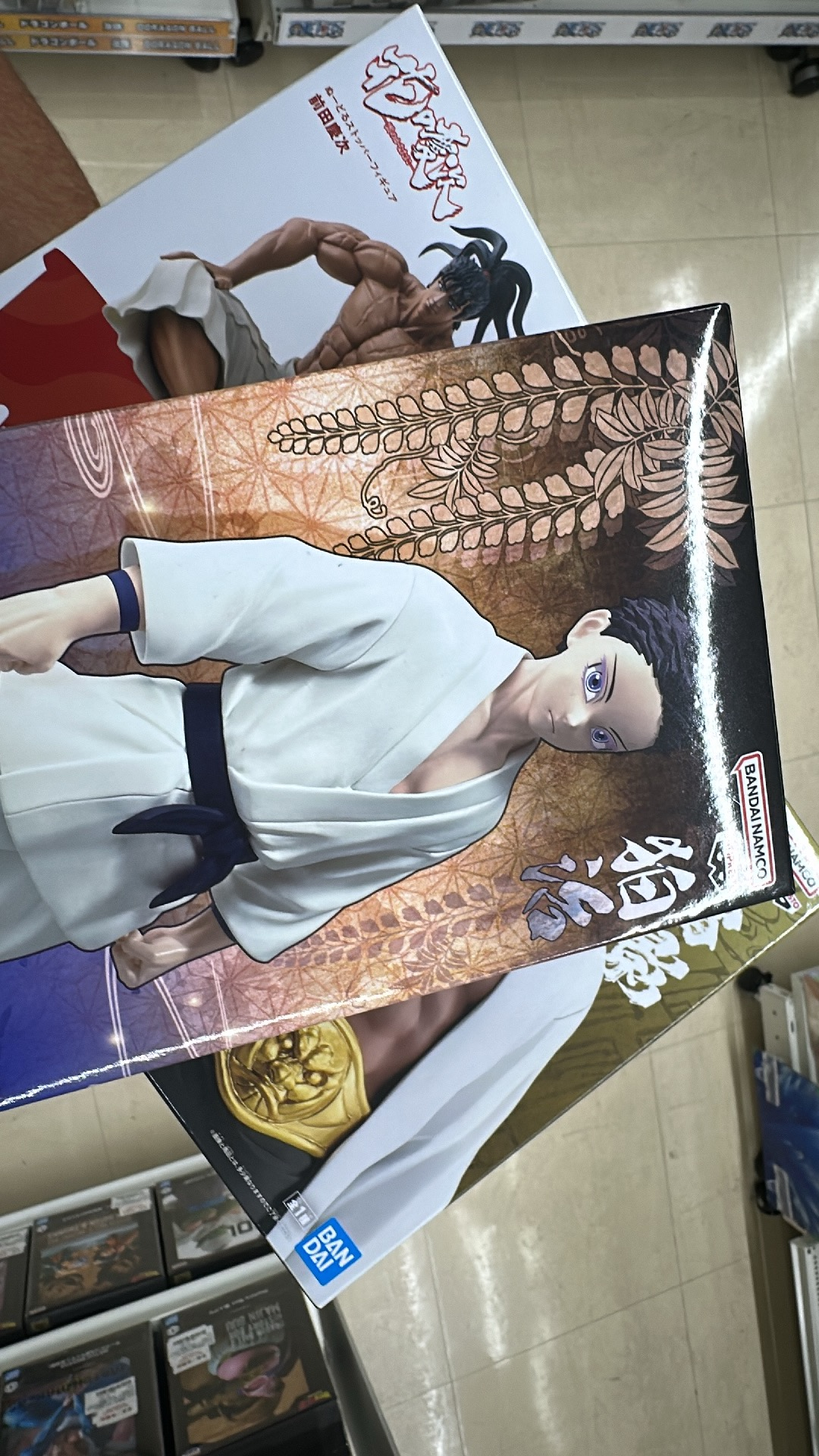
Suddenly the machines didn’t seem quite so rigged anymore.
This sent me down a rabbit hole, and later that night I found myself watching YouTube videos about Japanese claw machine strategies until about one in the morning.
Turns out there’s an entire culture around these things and considerably more skill involved than I’d given them credit for.
By the end of our three days, my first impression of Osaka hadn’t really changed.
Tokyo feels like a city where millions of people have somehow agreed on the rules.
Osaka feels like it knows the rules, but isn’t particularly bothered if you bend a few.
It’s slower, smokier, a little rougher around the edges, and somehow more lived-in. Dotonbori gives you all the lights, crowds, and tourist chaos you could ask for, but walk a few streets away and you’re back among tiny restaurants, little shops, and people just getting on with their day.
I think that contrast is what we liked most.
Three days is enough to get a taste of Osaka, but nowhere near enough to explore everything hiding down the side streets.
Luckily, we still have a few more days in Tokyo at the end of the trip.
And after three consecutive claw machine wins, I have unfinished business.
Comments ()